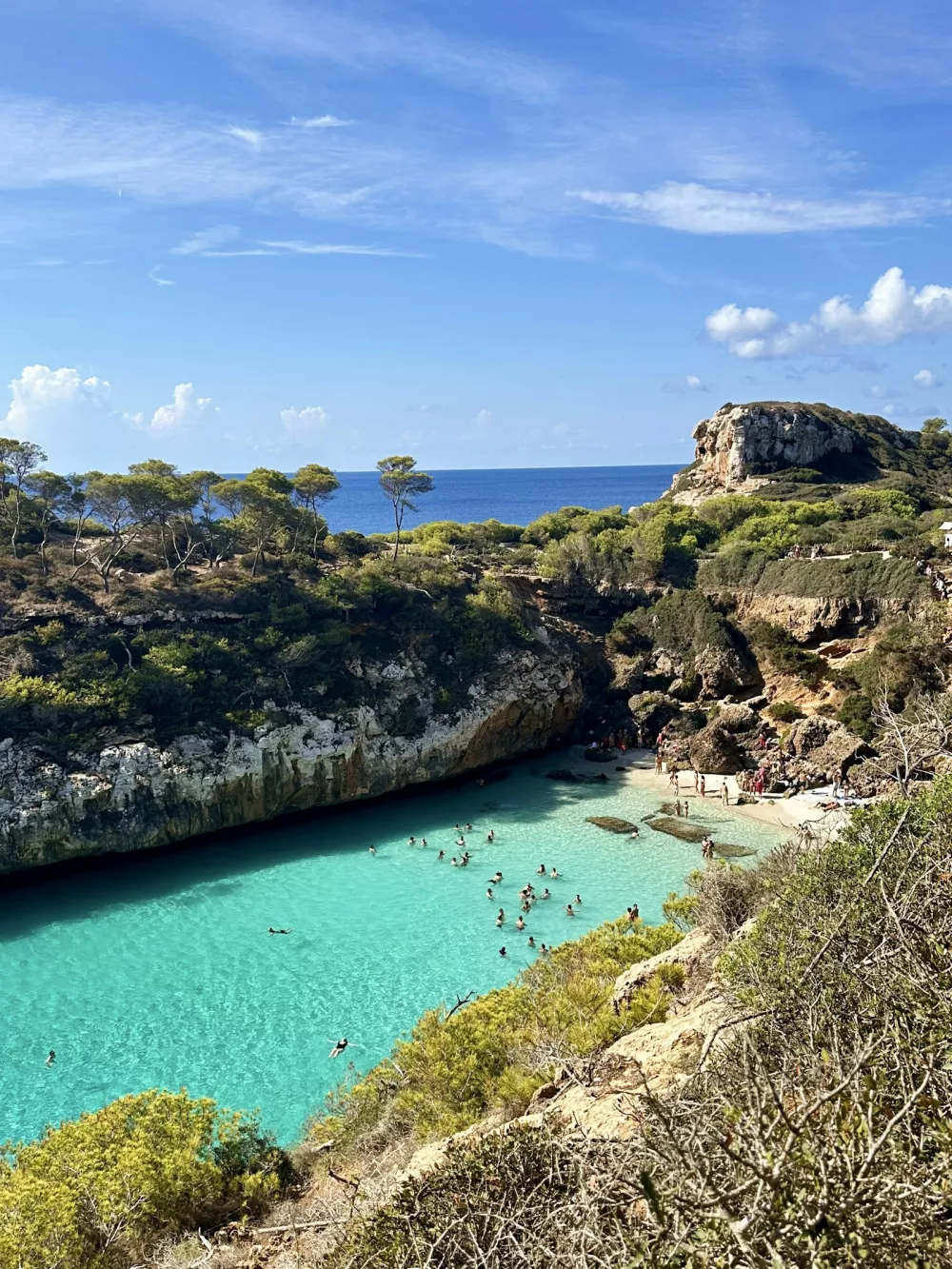
For most trips outside the big cities, yes. A car earns its keep the moment your route includes the coast, the mountains, several towns or countries, or the islands: those are places where public transport is thin or doesn't run at all. If you're staying inside Madrid, Barcelona or Seville and not heading out of town, you don't need one - the metro is faster, and parking in the centre is paid and hard to find.
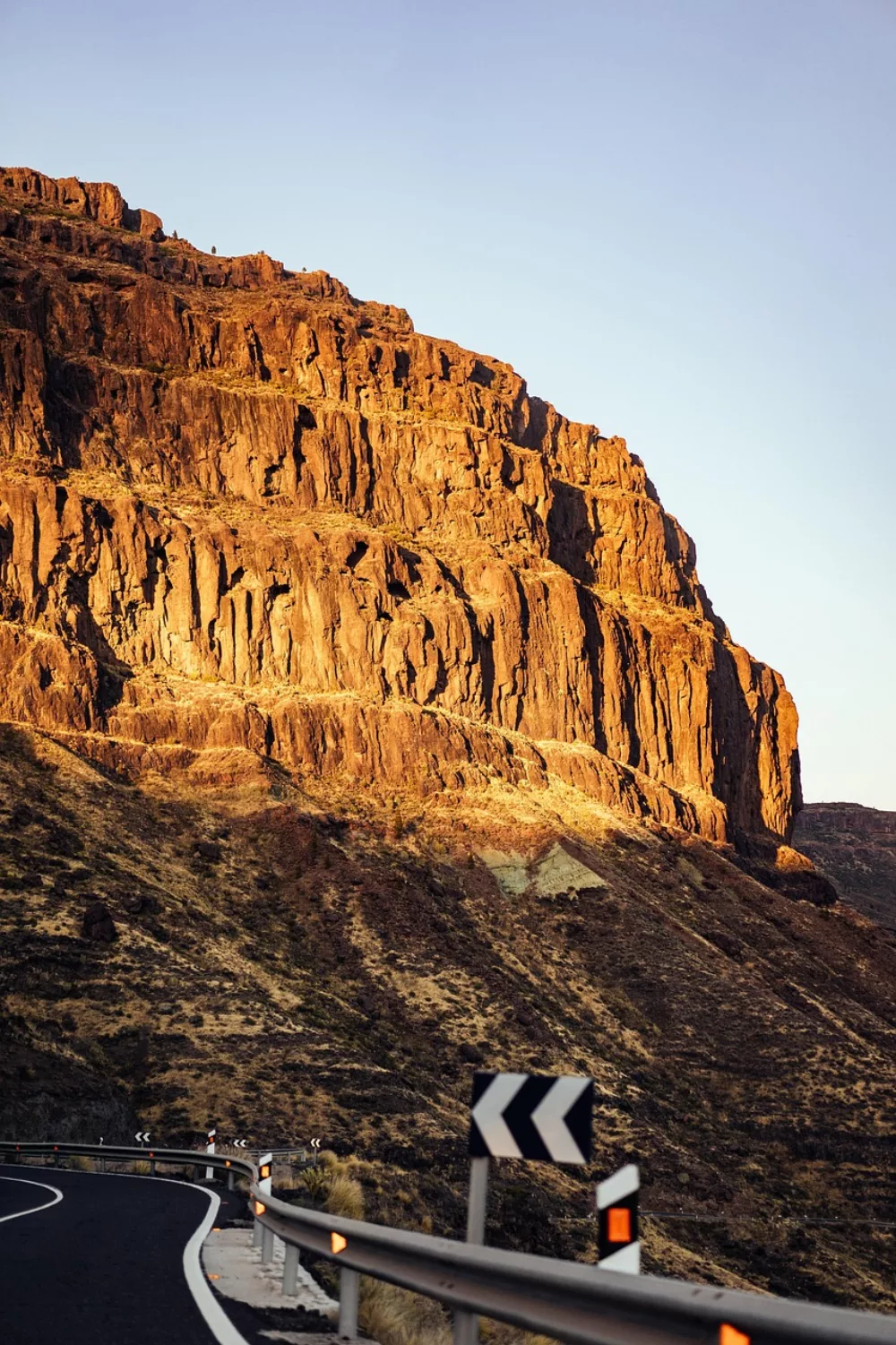
When a car is worth it
- Islands - on Majorca, Tenerife and Lanzarote the beaches and villages sit off the bus routes; without a car you can't reach them.
- Coast and mountains - the Costa del Sol, Andalusia's white villages, the Costa Brava: buses don't reach most spots, and a tour ties you to someone else's schedule.
- A regional route - driving works out cheaper than buses or taxis and doesn't depend on a timetable.
- Families and groups - door to door with luggage and kids, no changing trains with suitcases in the heat.
When you don't need a car
- City only - in Madrid, Barcelona, Seville and Valencia the metro and your own feet are faster, and a car just means time lost to parking.
- A short city break - for two or three days in one city, taxis and transport cost less than hire plus parking.
- Resort-only stay - if you're not leaving the resort, you won't need a car at all.
What's cheaper - a hire car or the train and bus
For two people or more, usually the car. The cost of the car splits between everyone, while train or bus tickets are per person, and the route doesn't follow a timetable. Solo and within a single city, public transport is usually cheaper: parking and fuel add to the hire. Renfe's high-speed trains link the major cities, but they don't reach the coast, the white villages or the natural parks - those need a car. To size up the cost for your dates, see rental prices.
What to budget for beyond the rental
The price in the search is the car alone. On the road a few more costs get added that are easy to forget:
- Toll motorways - some fast roads are tolled; the free ones are slower. Which stretches charge is in the driving guide.
- Low-emission zones - central Madrid fines entry without registering your plate at €200, and Barcelona has its own ZBE too. If your hotel is inside the zone, ask them to add your plate in advance.
- Parking - blue lines are paid, green lines cost more and are time-limited, white is free but rare in the centre.
- Fuel - the cheapest policy is full-to-full: you collect the car full and return it full. Full-to-empty costs more, and you don't get the unused fuel back.
- Deposit - it's blocked on your card at pick-up and released after you return the car undamaged; the money isn't charged. Most desks want a credit card; with a debit card, look for no-deposit rates in the search options.
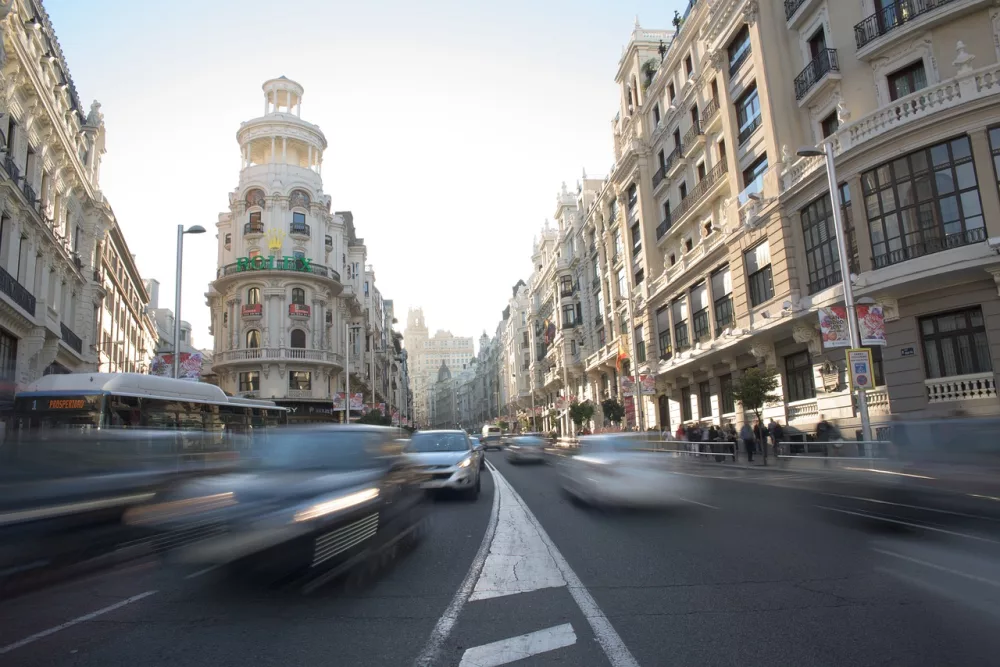
Is it safe to drive in Spain
Yes. Spanish roads are well built and clearly signed, and the signs are the standard European ones you see across the EU. Motorways are limited to 120 km/h. What's worth doing in practice: take a full-coverage rate (Super CDW, which drops the excess to zero) so a scratch doesn't turn into a dispute at the desk, and photograph the car at pick-up and drop-off. On open, free car parks, don't leave bags in view - put them in the boot.
Do you need a car on the Spanish islands
Almost always yes. Buses on Majorca, Tenerife and Lanzarote link the main towns and the busiest beaches, but they don't reach the coves, mountain villages and viewpoints - without a car those stay out of reach. The exception: if you spend the whole holiday at one resort near your hotel.