?
Minimum✓ Coverage for collision damage caused to other vehicles (TPL)✗ Collision damage coverage✗ Glass and tire damage coverage?
CDW✓ Limited collision coverage (CDW)✓ Coverage for collision damage caused to other vehicles (TPL)✗ Glass and tire damage coverage?
SuperCDW✓ Full coverage with limited driver liability (SuperCDW)✓ Coverage for collision damage caused to other vehicles (TPL)
Alicante is the gateway to the Costa Blanca, and a hire car is what lets you use the whole coast rather than just the city. The centre, San Juan beach and the castle are walkable or a short tram ride, so the real value of car rental in Alicante is reaching the towns north and south on your own schedule instead of a bus timetable.
This is also one of the busiest pickup points in the country - Alicante alone accounts for a large share of Spain's car-hire bookings, so the choice of cars is wide but the popular groups still sell out in summer.
Payment and deposit
When you book you pay only a small upfront amount - usually 15-20% of the hire cost. The rest is settled at the desk on pickup. The deposit in most cases is fully refundable, and about a third of cars in Spain are handed over with no deposit at all - those are marked in the results. If you only have a debit card, pick a no-deposit rate or a cash-deposit option: nothing gets frozen on your card.
Where you can drive from Alicante
The Costa Blanca runs north and south of the city, so most day trips are under an hour. Altea is about a 52 km drive, just up from Benidorm. Calpe and its rock, the Peñon de Ifach, are around 60 kilometres and about 50 minutes north. Benidorm is just under 40 minutes' drive from Alicante. Heading south, it takes just under an hour to drive to Torrevieja.
Inland is where the car earns its keep most. Alicante to the hill village of Guadalest is about 60 kilometres and an hour's drive, turning inland and uphill past Benidorm, and the drive is very scenic. Murcia sits roughly an hour southwest. Each town below has its own page.
The point for Alicante is that one pickup reaches all of them and you can be back the same day, which is why many visitors rent here even when they stay in the city for most of the week.
Alicante's low-emission zone (ZBE)
This is the one local rule people ask about, and for a hire car it rarely matters. Alicante has a Low Emission Zone called AlicanTeCuida, and as of 2025 it does not impose general restrictions on all vehicles - though the Old Town does have limited-access areas reserved for residents or authorised vehicles. The downtown will not see new limits on private car circulation as a result of the ZBE.
If you are driving a standard rental car, you are generally free to drive through most of the city. Cars rented in Spain carry a DGT environmental sticker, which is what these zones require, so a hire car can drive in with no extra paperwork. The Old Town streets behind barriers and cameras are the only part to avoid - park outside and walk in.
Quick checks at pickup
Confirm a rate with full cover if you want to avoid a deposit hold.
Check the windscreen for the DGT sticker and photograph it.
Photograph any existing scratches before you drive off.
Where to pick up in Alicante
Most car hire in Alicante starts at the airport, where the desks and the cheapest rates are. For terminals, supplier desks and the arrivals walk-through, see the Alicante Airport car hire page. To collect in town instead, names operating here include Centauro and Drivalia. Either way, an no-deposit rate with full cover built in avoids a deposit hold.
Best time to rent in Alicante
Spring (March to May) and autumn (late September into October) are the easiest times to drive - warm, with quieter roads and a sea still warm enough to swim in autumn. The province is a year-round destination and one of the warmest places in Spain in winter, so a car still makes sense in the cooler months for the inland trips.
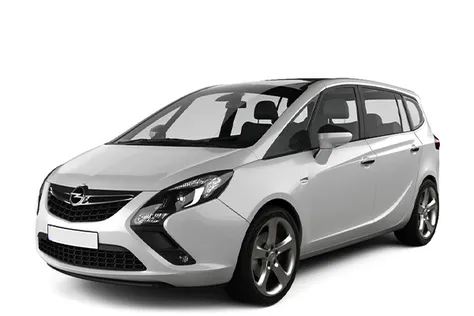
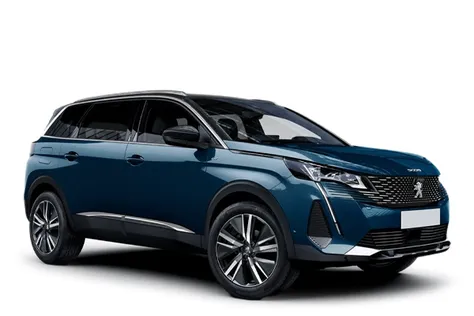
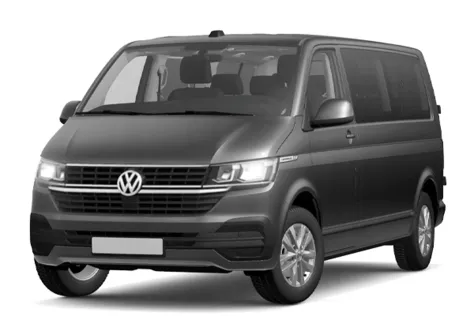
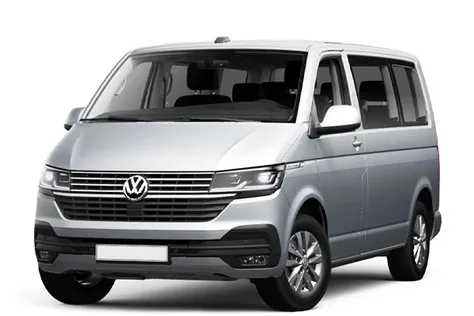
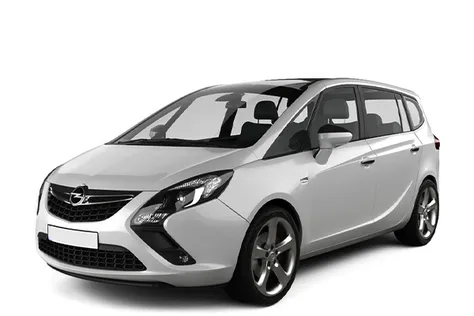
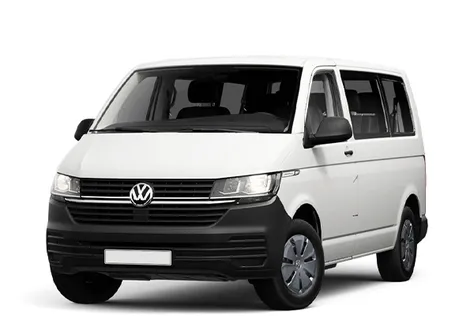
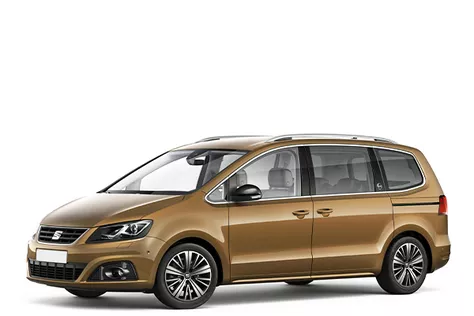
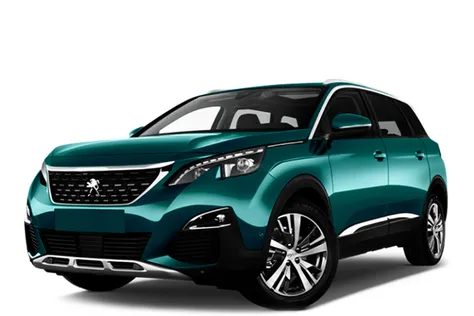
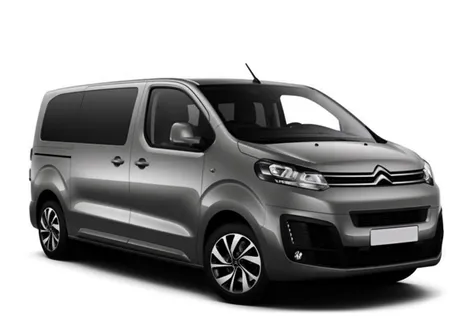
July and August are the peak: prices climb, and automatics and 7-seaters go first. Demand for 7-seaters here is strong, so if you need one for a family, book it several weeks ahead rather than hoping at the desk.
Alicante car hire FAQ
Can I drive my hire car into central Alicante?+
Yes. Alicante's low-emission zone does not restrict standard cars across the city, and a hire car carries the DGT sticker the zone requires.
The only part to avoid is the Old Town, where some streets are reserved for residents and controlled by barriers and cameras - park outside and walk in.
Should I book a 7-seater in advance in Alicante?+
Yes. Demand for 7-seaters in Alicante is high, especially in July and August, and they sell out before economy cars do.
Reserve one several weeks ahead if you are travelling as a family or two couples sharing.
Do you need a credit card to hire a car in Alicante?+
A credit card is not always required - it is needed to hold the security deposit. At pickup the supplier freezes the deposit amount on the card: the money is not charged and is released when you return the car undamaged.
Without a credit card you still have options: choose a cash-payment rate (the «Cash» filter option) or a no-deposit rate, and nothing is held.
What is the deposit when you hire a car?+
The deposit is an amount the rental company holds as a guarantee for the car. Road fines or damage can be deducted from it.
If the car comes back without problems, the deposit is released in full. It is a temporary hold on your card, not a charge.
How large is the deposit at pickup?+
It depends on the car class and the supplier - you can see the exact amount on each car's card.
You can set a maximum deposit in the filter and the catalogue shows only matching offers. The lower you set it, the fewer cars remain.
Can you hire a car with no deposit?+
Yes. To see cars with no deposit, use the «No deposit» filter option. There are also cars with a small deposit or cash payment.
Note that "no deposit" means no hold at pickup, not no booking payment - a small upfront amount is still taken when you book. If nothing suits, contact our support team.
What is the difference between the deposit and the excess?+
The deposit is the amount frozen on your card at pickup and released when you return the car undamaged.
The excess is the part of any damage you pay yourself even with insurance - anything above it is covered by the insurer.
In practice, damage is taken from the deposit up to the excess, so the deposit is often set to match it. A full, zero-excess policy removes both: you do not pay for damage and the hold is usually waived.
What does the insurance cover?+
Cover comes in levels:
TPL (third-party liability) - compulsory and always included; covers damage you cause to others.
CDW (Collision Damage Waiver) - covers damage to the hire car itself, except glass and tyres.
Super CDW - reduces or removes the excess and covers what CDW does not, including glass and wheels; with it the car is usually given with no deposit.
You see the available rates on each car's card when booking.
What is the difference between minimum, basic and full cover?+
Minimum cover - only damage to other cars; you pay for your own car's bodywork, glass and wheels.
Basic (CDW) - adds partial cover for your car in an accident, but not glass or tyres.
Full cover (Super CDW) - covers all damage, including glass and wheels, and nothing is taken from the deposit.
If you would rather not depend on the deposit and excess, choose the full rate.
Can you pay for the rental in cash?+
Yes, some cars can be paid in cash - use the «Cash» filter option.
You pay a small upfront amount by debit or credit card when booking (usually 15-20% of the total), and the rest in cash at pickup.
Can you pay with cryptocurrency?+
Yes, paying for the car with cryptocurrency is possible - contact our support team to arrange it.
Can I drive from Alicante to France, Andorra or elsewhere in the EU?+
The French border is a long haul north, around 5 hours up the coast. Cross-border trips must be agreed with the supplier in advance - there may be a small service fee and extra insurance.
To see cars allowed across the border, use the filter option or contact our support team. Do not cross the border undeclared.
Can you return the car in a different city?+
Yes. In the search, set a pick-up and a drop-off point - for example collect in Alicante and return in Benidorm, Murcia or Valencia.
By default the car is returned to the same place you collected it.
Is it cheaper to book an automatic or a manual in Alicante?+
Manuals are cheaper and more widely available. Automatics cost more and sell out first, especially in summer, so book one early if you need it.
What documents do you need to hire a car?+
You need a passport, a driving licence and the rental voucher - the voucher can be shown on your phone or tablet.
It states the final price with your chosen options and insurance, so the amount due at the desk will not change.
What is the minimum driving experience?+
To hire through our rental companies you need at least 2 years of driving experience.

.webp?1783096680)



.webp?1775539637)
.webp?1775571288)
.webp?1763754141)
.webp?1763753562)


_(1).webp?1742976637)




.webp?1786378932)

.webp?1786379061)
.webp?1786378834)