
스페인에서 자동차 운전하기
스페인의 도로 표지와 노면 표시는 도로 표지에 관한 빈 협약에 따라 만들어졌기 때문에, 유럽 운전자는 별도의 준비 없이도 읽을 수 있습니다.
대부분의 고속도로는 무료입니다. 번호에 AP가 들어간 일부 고속도로만 유료로 남아 있는데, 거의 언제나 무료 도로로 우회할 수 있습니다.
스페인에서는 속도 제한과 거리를 킬로미터로 표시합니다. 통행은 우측입니다.
autopista·autovía 고속도로에서 승용차는 시속 120km까지 허용됩니다. 이는 이 나라의 최고 속도로, 그보다 높은 속도는 어디에서도 허용되지 않습니다.
그 밖의 교외 도로는 시속 90km입니다. 스페인 분류상 이런 도로를 carreteras convencionales라고 부르며, N이 붙은 국도와 지방도, 마을 도로가 여기에 들어갑니다.
시가지에서는 차로 수에 따라 제한이 달라집니다. 한 방향에 두 차로 이상이면 시속 50km입니다. 차로가 하나면 시속 30km입니다. 차도와 보도가 같은 높이에 있는 단일 평면 도로에서는 시속 20km입니다. 구간에 표지가 있으면 표지에 적힌 숫자가 적용됩니다.
고속도로의 과속 단속 카메라는 드문 편이지만, 텅 빈 들판이나 산속처럼 뜻밖의 장소에 놓여 있기도 합니다.
스페인에서는 단속 카메라 위치를 숨기지 않습니다. Google Maps가 카메라와 단속기를 표시합니다. 고정식 카메라는 DGT(스페인 교통국)도 infocar DGT 지도에 공개합니다. 카탈루냐와 바스크 지방에서는 지역 기관이 카메라를 관리해, infocar 지도에 전부 나오지는 않습니다.
스페인의 기본 교통 규칙
우측 통행
추월은 왼쪽 차선으로, 회전교차로에서는 이미 돌고 있는 차량에 양보하고, 고속도로에서는 오른쪽 차선을 유지합니다.
속도 제한
고속도로 시속 120km, 교외 도로 90km, 도심 50km, 좁은 도심 도로 30km입니다. 시가지에 들어서면 제한 속도가 급격히 낮아집니다.
음주 운전
혈중 0.5g/L, 운전 경력 2년 미만은 0.3입니다. 운전할 때는 아예 마시지 않는 편이 낫습니다.
필수 비치품
차 안 손 닿는 곳에 형광 안전 조끼, 그리고 V16 비콘이 있어야 합니다. 둘 다 렌터카에 이미 갖춰져 있어야 하니 확인하세요.
레이더 탐지기는 금지, GPS 안내는 허용. 경찰 단속기 신호를 잡아내는 장치는 스페인에서 불법입니다——벌금 500유로에 기기까지 압수됩니다. 반면 고정식 카메라 위치를 알려주는 내비게이션이나 앱은 사용할 수 있습니다. DGT가 카메라 위치를 어차피 공개하고 있고, 같은 정보가 Google Maps에도 있습니다.
EU 이외에서 발급된 면허라면 국제운전면허증이 필요합니다. EU나 EEA에서 발급된 면허라면 그것으로 충분합니다. 그 밖의 지역에서 발급된 면허라면 자국 면허와 함께 국제운전면허증(IDP)이 필요합니다. 한국은 1949년 제네바 협약 당사국이라 한국에서 발급한 IDP가 스페인에서 그대로 통용됩니다——한국 운전자는 출국 전에 IDP를 발급받으면 됩니다. 면허증과 여권은 함께 소지하세요——렌터카 카운터에서 확인하고, 도로에서도 검사할 수 있습니다. 본인 면허에 정확히 무엇이 필요한지는 운전자 요건 가이드에서 확인하세요.
자전거 추월 시 최소 1.5미터. 자전거를 추월할 때는 옆으로 1.5미터 이상을 두어야 합니다. 이를 위해서라면 실선을 넘어도 되고, 반대 차선이 비어 있다면 그쪽으로 나가도 됩니다. 편도 1차로 좁은 도로에서는 대개 속도를 줄이고 자전거 뒤에서 기다려야 한다는 뜻이며, 그렇게 하는 것이 맞습니다.
2026년 새 규정: 삼각 정지 표지판 대신 V16 비콘
2026년 1월 1일부터 스페인 등록 차량에는 기존의 삼각 정지 표지판 대신 V16 비콘을 갖춰야 합니다——이는 차에서 내리지 않고 지붕에 올려놓는 작은 노란색 등입니다. 비콘은 DGT(교통국) 시스템으로 좌표를 전송합니다. 이 규정은 스페인 번호판을 단 모든 렌터카에도 적용됩니다.
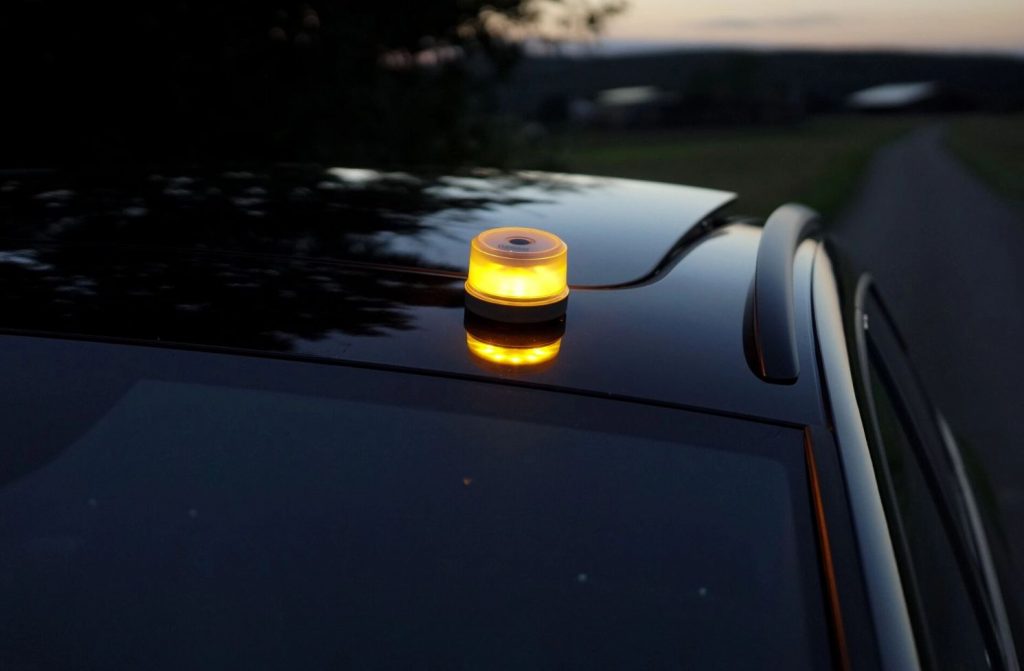
V16 비콘(baliza V16)——지붕에 자석으로 붙이는 노란색 등입니다.
사고가 났을 때 비콘이 없거나 켜지 않은 책임은 렌터카 회사가 아니라 운전자에게 있습니다. 그러니 차를 인수할 때 V16 비콘이 있는지 확인하세요. 외국 번호판으로 다니는 여행자는 삼각 표지판을 쓸 수 있지만, 스페인에서 빌린 차에는 해당되지 않습니다
이 비콘 규정이 도입된 이유는, 예전에는 운전자가 충분한 거리에 정지 표지판을 놓기 위해 차 밖으로 나가야 했기 때문입니다. 이는 추가적인 위험을 만들었고, 점멸 비콘이 그 위험을 없앱니다. 비콘에 요구되는 성능상 최대 1킬로미터 거리에서 보여야 하고, 안개·비·어둠 같은 시야가 나쁜 조건에서도 잘 보여야 하기 때문입니다.
차 안 모든 사람은 안전벨트를 매야 합니다——운전자든 뒷좌석에 앉은 사람이든 마찬가지입니다. 안전벨트를 매지 않으면 각각 200유로의 벌금이 부과됩니다. 키 135cm 미만 어린이는 키에 맞는 카시트나 부스터에만 태울 수 있습니다. 이에 따른 벌점은 EU 면허에서만 차감되며, 다른 면허를 가진 여행자에게는 벌금만 남습니다. 자세한 내용은 DGT 사이트에서 확인하세요.
운전 중에는 손으로 휴대폰을 드는 것 자체가 금지입니다. 이는 200유로에 벌점 6점(EU 면허의 경우)이며, 신호 대기나 정체 중에 멈춰 있을 때도 단속됩니다. 거치대에 놓인 휴대폰 화면을 만져 경로를 바꾸는 것도 마찬가지입니다. 화면을 만지지 않는 핸즈프리 통화와 음성 명령만 가능합니다.
DGT 환경 스티커와 ZBE 구역
스페인 도시에는 진입이 제한되는 구역이 있습니다. 이런 구역을 ZBE라고 하며, 스페인어로 zona de bajas emisiones, 즉 저배출 구역입니다. 진입 허용 여부는 차량의 환경 등급에 따르며, 등급은 연료와 차량 최초 등록일에 따라 정해집니다.
등급은 DGT, Dirección General de Tráfico——스페인 교통국이 부여합니다. 이 등급은 앞유리에 붙이는 색깔 스티커로 표시하며, 스페인어로 distintivo ambiental이라고 합니다.
스티커는 배출 수준만 나타냅니다. 스티커로 통행료를 내는 것은 아닙니다——유료 고속도로에는 차단기와 요금소가 있고, 환경 등급과는 아무 관련이 없습니다.
네 가지 등급
| 스티커 | 색상 | 대상 차량 |
|---|---|---|
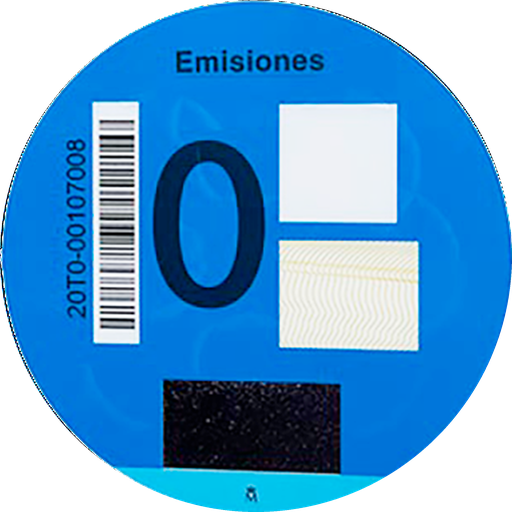 0 0 |
파란색 | 전기차, 수소차, 그리고 전기 주행거리가 40km 이상인 플러그인 하이브리드 |
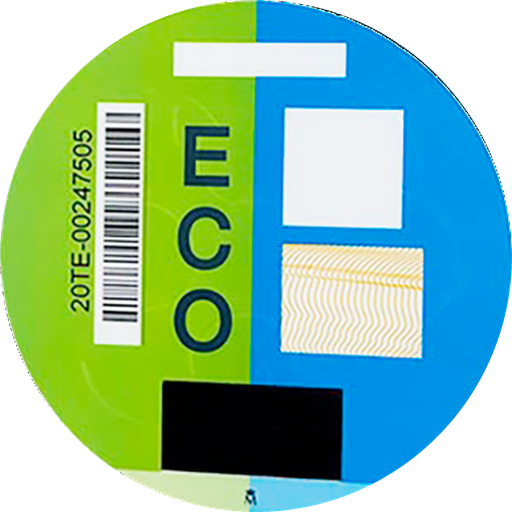 ECO ECO |
청록색 | 전기 주행거리가 40km 미만인 하이브리드, 그리고 GLP·GNC 가스 차량 |
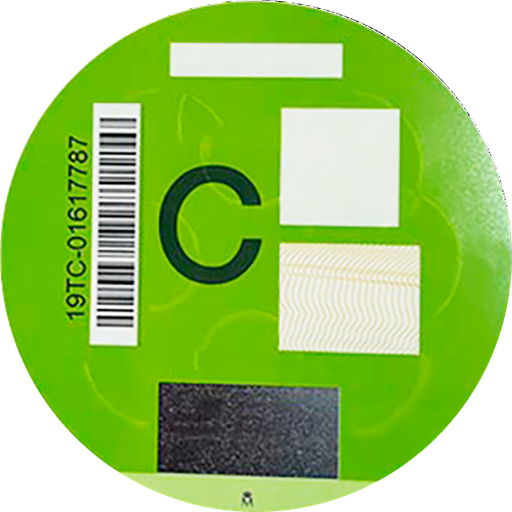 C C |
초록색 | 2006년 1월부터 등록된 휘발유차, 2015년 9월부터 등록된 디젤차 |
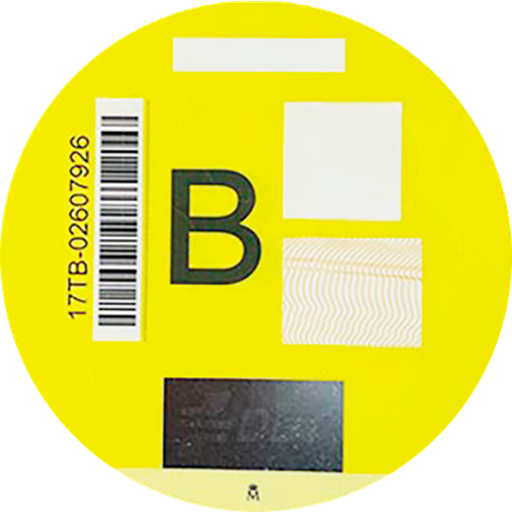 B B |
노란색 | 2001년 1월 1일부터의 휘발유차, 2006년부터의 디젤차 |
GLP와 GNC는 두 종류의 가스 연료를 가리키는 스페인어 약자입니다. GLP는 프로판·부탄으로, 대부분의 나라에서는 LPG나 autogas로 표기합니다. GNC는 메탄으로, 스페인 밖에서는 CNG입니다. 두 약자 모두 차량 설명과 주유기에서 보게 됩니다.
배출이 적을수록 등급이 높고 진입이 자유롭습니다. 0과 ECO 차량은 거의 모든 곳에 들어갈 수 있고, C와 B는 일부 구역에서 별도 조건이 적용됩니다.
스티커가 없는 차량
2001년 이전 휘발유차와 2006년 이전 디젤차는 스티커를 아예 받지 못합니다. 대부분의 도시에서 ZBE 진입 금지는 이런 차량에만 해당됩니다.
렌터카에는 이런 차량이 없으므로 이 제한은 여러분과 무관합니다. 렌터카는 최소 C 등급이며, 하이브리드는 ECO입니다.
등급을 확인하는 방법
스티커는 앞유리 오른쪽 아래 모서리에 붙입니다. 하지만 확인하는 것은 스티커가 아닙니다——구역 진입 시 카메라가 번호판을 촬영해 DGT 데이터베이스와 대조합니다. 스페인 번호판이라면 등급을 직접 조회할 수도 있으며, DGT 사이트에서 확인합니다.
외국 번호판 차량에는 스페인 스티커를 발급하지 않으며, 필요하지도 않습니다. 렌터카는 스페인 번호판이므로 여기에 해당하지 않습니다.
마드리드는 규정이 더 엄격합니다
마드리드 전체 ZBE 안에는 특별 보호 구역이 두 곳 있습니다——Distrito Centro와 Plaza Elíptica입니다. 스페인어로는 ZBEDEP, zona de bajas emisiones de especial protección이라고 합니다.
이곳의 진입 조건은 별도로 정해져 있으며, C 스티커만으로는 부족할 때가 있습니다.
주유소와 충전소
스페인 주유기에서 휘발유는 gasolina, 경유는 diésel 또는 gasóleo A로 표기됩니다. 주유소는 두 종류가 있고, 가격 차이가 뚜렷합니다.
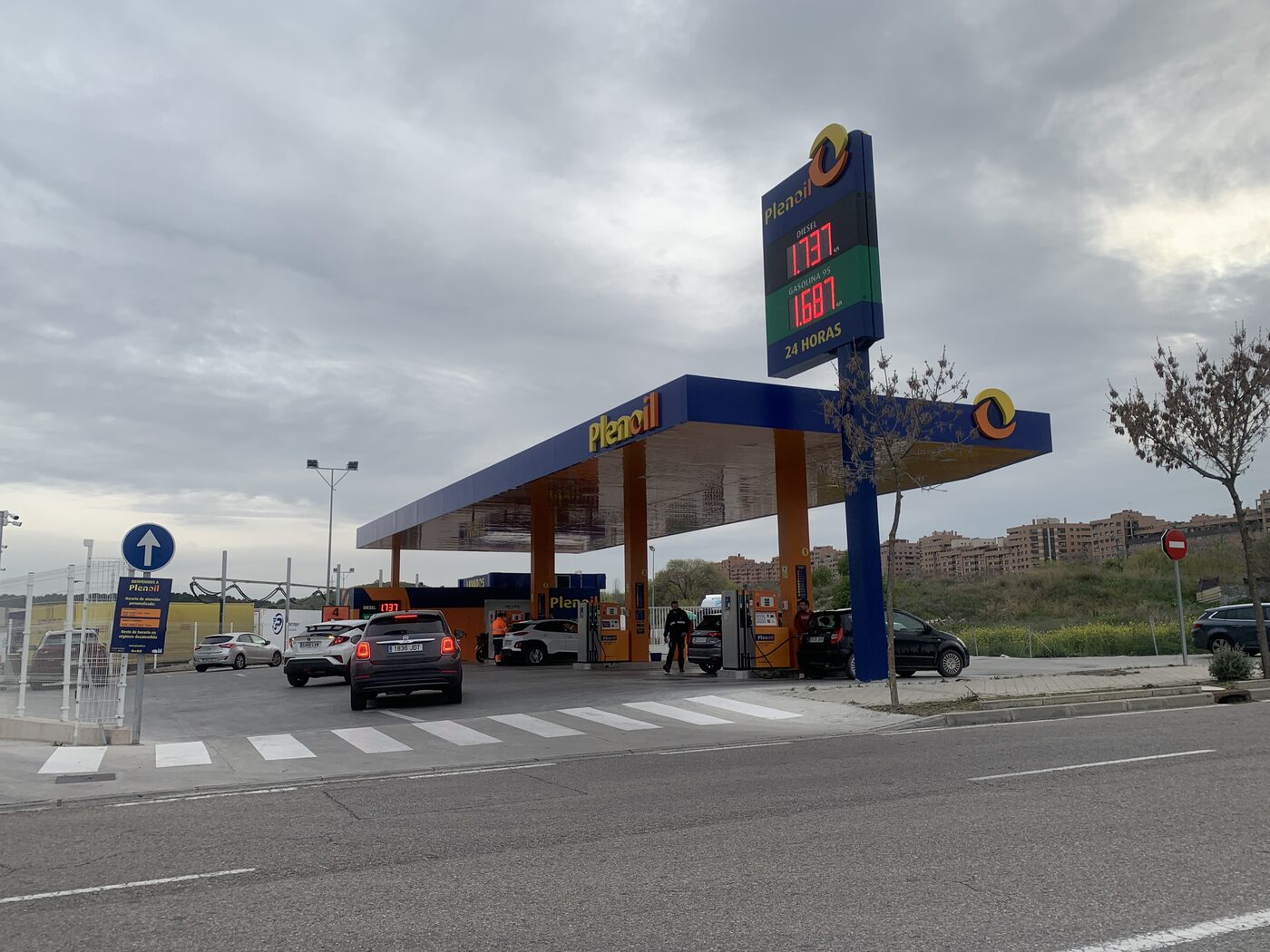
셀프 주유소: 직접 주유하고 주유기의 단말기에서 결제합니다. 사진: Natalia Corcobado Pinilla / Wikimedia Commons, CC BY-SA 4.0
셀프 주유소(autoservicio)는 직원 없이 운영됩니다——직접 주유하고 주유기 단말기에서 카드로 결제합니다. 여기서는 1리터가 5~15센트 저렴하고, 상당수가 24시간 운영합니다. 이런 주유소의 대형 체인으로는 Plenoil, Ballenoil, Petroprix이 있습니다.
계산대가 있는 체인 주유소——Repsol, Cepsa, BP, Galp——는 조금 더 비쌉니다. 대신 안에 매점과 작은 카페가 있어 커피, 빵, 화장실을 이용할 수 있습니다. 연료 자체의 품질은 동일하며, 유럽 공통 기준으로 검사받습니다——더 비싼 값은 서비스에 대한 것이지 더 좋은 휘발유 때문이 아닙니다.
고속도로변의 큰 주유소에는 휴게 공간과, 카페나 좀 더 큰 레스토랑이 있는 별도 건물이 있는 경우가 많습니다——이곳에서는 진열대의 빵뿐 아니라 따뜻한 음식도 먹을 수 있습니다.
어떤 연료를 넣어야 하나
2018년부터 EU의 모든 주유기에는 동일한 기호가 표시됩니다: 원 안에 휘발유, 사각형 안에 경유입니다. 스페인에서 보게 되는 것은 다음과 같습니다:
- Gasolina 95 E5와 Gasolina 98——휘발유입니다. 숫자는 옥탄가로, 98이 더 힘이 좋고 비쌉니다. E5는 에탄올 최대 5% 함유를 뜻합니다. 렌트한 휘발유 차량은 계약서에 다르게 명시되지 않았다면 95가 필요합니다.
- Gasóleo A(B7 기호)——승용차용 일반 경유로, 바이오디젤 최대 7%입니다.
- Gasóleo B——트랙터와 보트용 붉은색 농업용 경유입니다. 더 싸지만 일반 차량에 넣는 것은 금지되어 있습니다: 벌금 600유로에서 1만 2천 유로, 차량이 압류될 수도 있습니다. 승용차용 주유소에는 대개 이 연료가 없습니다.
- 프리미엄(Repsol Efitec, Cepsa Óptima, BP Ultimate)——첨가제가 든 같은 95나 98로, 더 비쌉니다. 렌터카에는 필요 없습니다.
같은 기호——95, E5, B7——는 연료 주입구 덮개나 주입구 옆에도 있습니다. 첫 주유 전에 그곳을 확인해 휘발유와 경유를 헷갈리지 마세요: 엉뚱한 연료를 넣는 것은 값비싼 실수입니다.
연료 가격 앱
스페인 모든 주유소의 가격은 국가가 수집합니다——각 주유소는 이를 공통 데이터베이스에 의무적으로 제출하므로, 앱에 나오는 가격은 광고가 아닌 실제 가격입니다.
- Geoportal Gasolineras——국가 공식 사이트이며, 앱 Ruta-E(iOS와 Android): 지도, 연료별 필터, 실시간 가격, 그리고 충전 지점까지 함께 제공합니다.
- Gasofa——같은 데이터를 쓰는 무료 앱으로, 경로상의 저렴한 주유소를 찾기에 편리합니다.
- Waze——주유소를 가격에 따라 색으로 지도에 바로 표시해 주는 내비게이션입니다.
전기차 충전
전기차를 빌렸다면 충전소를 기준으로 경로를 미리 짜세요. 남부와 도시에는 충전소가 많지만, 작은 도시들 사이에서는 아직 일반 주유소보다 충전망이 드뭅니다. 충전기는 출력이 다르고, 출력에 따라 시간이 달라집니다:
- 완속, 교류(AC), 3.7~22kW——거리, 호텔, 대형마트에 있습니다. 완충에 몇 시간이 걸리므로 오래 세워둘 때 편리합니다.
- 급속, 직류(DC), 50kW——주유소와 도로변에 있습니다. 약 40~60분에 80%까지 충전됩니다.
- 초급속(DC), 150~350kW——장거리 주행을 위한 고속도로에 있습니다. 차량이 그만한 출력을 받아들인다면 15~30분에 80%까지 충전됩니다.
선택 요령: 장거리 주행에는 고속도로의 초급속, 호텔에서 밤을 보내거나 장을 보는 동안에는 완속입니다. 실제 속도는 차량 자체가 얼마나 받아들이는지에 달려 있습니다: 많은 차량이 최대 50~150kW까지만 받으며, 더 높은 출력의 충전기라도 그보다 빠르게 충전하지는 못합니다.
충전 지점과 가격은 통합 앱에서 보는 것이 편합니다: Electromaps와 공식 Ruta-E는 모든 사업자의 충전소를 한 번에 보여줍니다. 대형 사업자에는 자체 앱도 있습니다: Iberdrola(최대 규모의 사업자), Endesa X Way, Zunder, Wenea, 그리고 Ionity(고속도로의 초급속)입니다. 충전은 대개 사업자 앱에서 시작하고, 결제도 그곳에서 이뤄집니다.
대형마트 충전
장을 보는 동안에도 충전할 수 있습니다. Mercadona에는 약 5,000곳의 충전 지점이 있습니다: 어떤 곳은 3.7kW로 60분 무료, 어떤 곳은 22kW로 kWh당 0.25유로 유료이며——결제는 Iberdrola나 Repsol Waylet 앱으로 합니다. Consum에는 22kW에서 150kW 출력의 충전기가 800개 넘게 있고, Eranovum 앱으로 시작합니다.
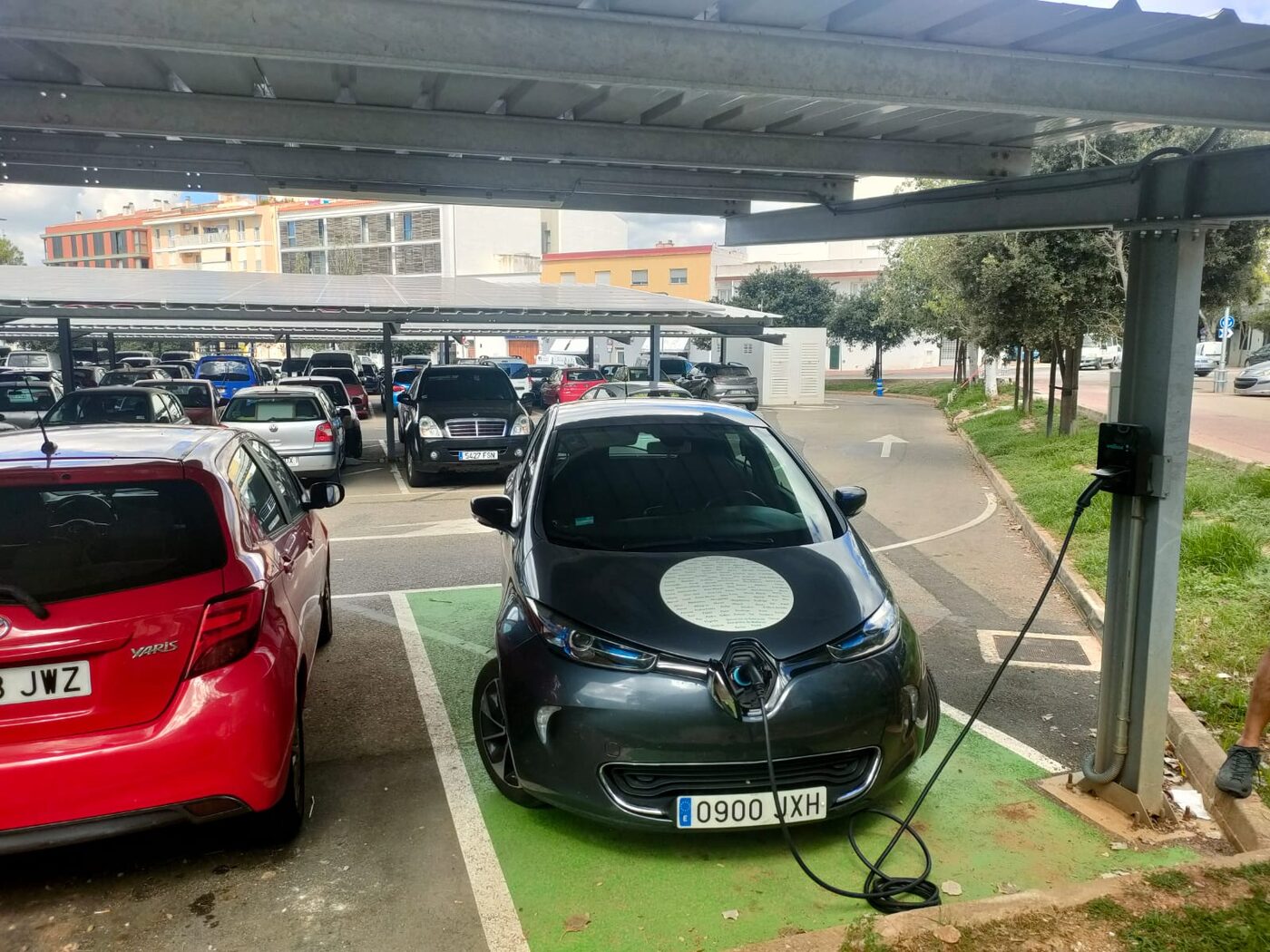
태양광 지붕 아래 주차장의 충전. 사진: Chixoy / Wikimedia Commons, CC BY-SA 4.0
고속도로 휴게소
고속도로(autopista·autovía)에는 대략 두 시간 주행마다 빠져나가 멈출 수 있는 공간이 있습니다.
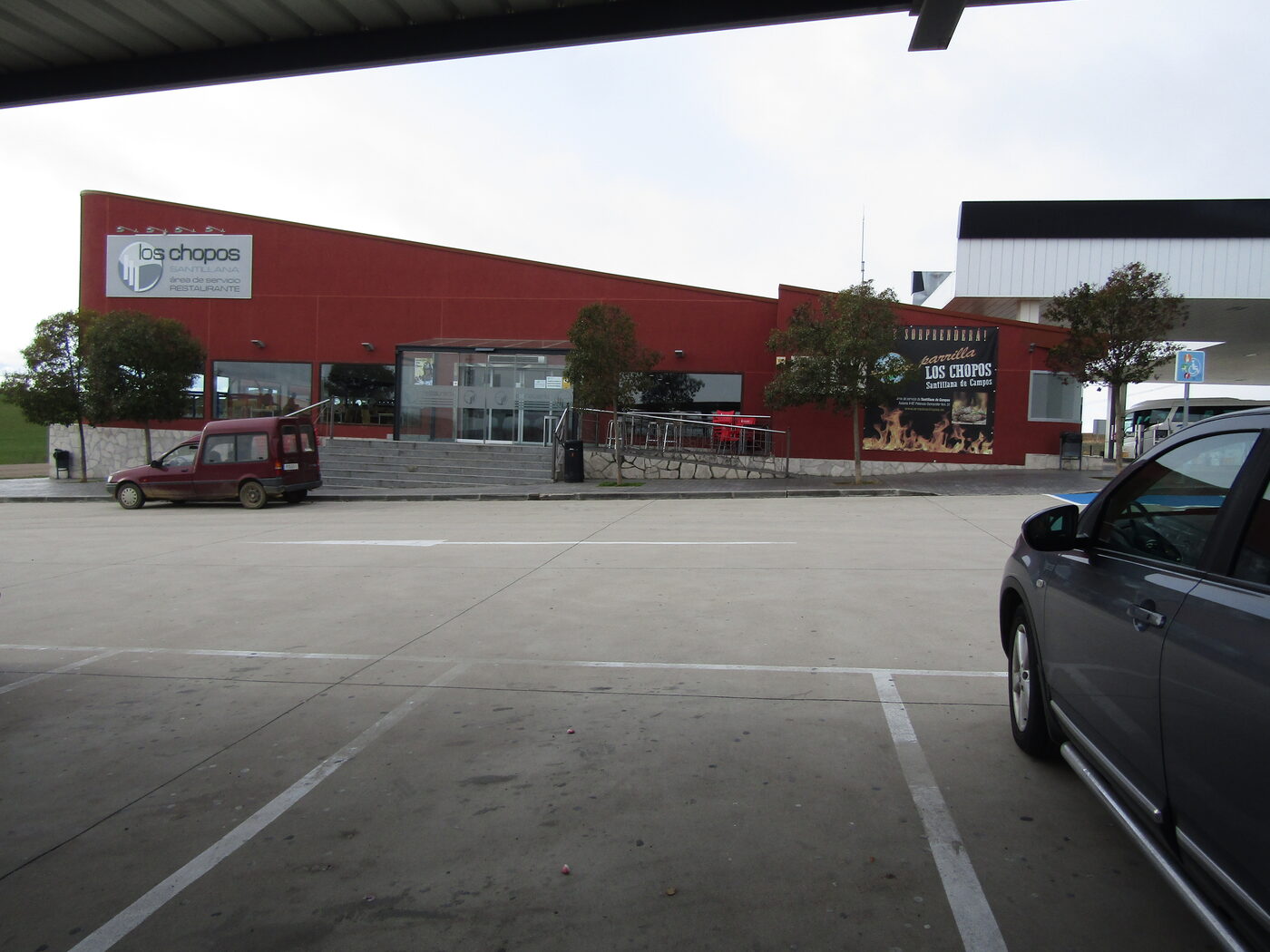
Área de servicio——레스토랑, 매점, 넓은 주차장이 있습니다. 사진: Kolforn / Wikimedia Commons, CC BY-SA 4.0
휴게 공간은 두 종류가 있습니다. Área de servicio에는 주유소, 매점, 카페나 레스토랑, 화장실, 넓은 주차장이 있습니다——여기에는 주유와 식사를 위해 들릅니다. Área de descanso는 더 단순합니다——주차장, 탁자, 화장실만 있고 주유소와 음식은 없습니다.
가장 가까운 휴게 공간에 무엇이 있는지는 포크, 침대, 주유기가 그려진 파란색 표지가 알려줍니다. 그냥 쉬려고 고속도로 갓길에 세우는 것은 안 됩니다——갓길은 비상 정차 전용입니다. 운전이 피곤하면 가장 가까운 휴게소까지 가서 그곳에 멈추세요.
스페인의 주차
노상 주차는 색으로 구분되며, 아스팔트의 선 색이 표지보다 중요합니다.
- 흰색 선이거나 표시가 아예 없으면——무료이며 시간 제한이 없는 주차입니다.
- 파란색——유료 구역입니다. 보도의 무인 정산기 parquímetro에서 결제하고, 영수증을 글자가 위로 오도록 앞유리 밑에 둡니다.
- 초록색——동네 주민용 자리입니다. 일부 도시에서는 외지인이 높은 요금으로 한두 시간 세울 수 있고, 일부 도시에서는 아예 안 됩니다.
- 노란색——주차 금지이며, 견인차가 차를 끌어갑니다.
역사적 도심에는 빈 흰색 자리가 거의 없으니, 지하 주차장을 염두에 두세요. 지하 주차장은 파란색 P 글자로 표시되며, 나갈 때 실제 이용 시간에 따라 결제합니다.
주차 앱
파란색 구역에서는 동전용 정산기를 찾을 필요 없이 휴대폰으로 결제하고, 시간이 길어지면 앱에서 바로 연장합니다. 전국에서 easyPark와 Telpark가 사용됩니다. 지하 주차장을 포함해 무료·유료 주차장은 Parkopedia와 일반 Google Maps가 보여줍니다. 마드리드와 바르셀로나에는 자체 도시 앱이 있지만, 여행자는 범용 앱 하나를 두는 편이 간편합니다.
대형마트 주차장
Mercadona, Consum, Carrefour, Lidl 체인에는 자체 주차장이 있고 무료입니다. 조건은 매장마다 다릅니다. 어떤 곳은 구매 없이 얼마든지 세워둘 수 있고, 어떤 곳은 무료 출차가 영수증과 연동됩니다——아무 영수증이나 되는 곳도, 10유로 이상 구매가 필요한 곳도 있습니다. 규칙은 입구 안내판에 적혀 있으니 바로 읽으세요.
입구에서 차단기가 티켓을 내주었다면 보관하세요. 계산대에서 무료 출차 처리를 위해 티켓을 요구합니다. 처리를 받지 않으면 출구 차단기가 열리지 않습니다.
벌금
벌금은 두 경로로 여행자에게 전달됩니다——도로에서 바로, 아니면 나중에 렌터카 회사를 통해서입니다.
스페인에 거주하는 사람은 현장에서 벌금을 내지 않습니다——통지서를 받고 나중에 낼 수 있으며, 처음 20일 안에 내면 금액이 절반으로 줄어듭니다. 여행자에게는 더 엄격합니다: 도로에서 정지당했는데 스페인 주소가 없다면, 단속관이 즉시 납부나 보증금을 요구할 수 있습니다. 납부하지 않고 보증금도 내지 않으면 납부할 때까지 차량이 압류될 수 있습니다.
카메라 단속 벌금이나 유료 도로 미납 요금은 나중에 청구됩니다——여러분이 아니라 렌터카 회사로 갑니다. 렌터카 회사는 벌금 금액과 자체 처리 수수료(보통 1~10%)를 여러분 카드에서 청구합니다. 신용카드 없이 보증금 없이 빌린 차라면, 렌터카 회사가 여러분 정보를 교통국에 넘기고, 벌금은 거주지 주소로 우편으로 발송됩니다.
시가지 진입 시 속도에 주의하세요. 제한이 시속 90km나 100km에서 50km로 떨어지고, 편도 1차로 도로에서는 30km까지 내려갑니다.
차량 인수 시 체크리스트
- V16 비콘——연결형·인증 제품으로 차에 있는지.
- 형광 안전 조끼——트렁크가 아니라 실내에 있는지.
- DGT 환경 스티커——저배출 구역을 위해 앞유리에 있는지.
- 연료 종류——첫 주유 전에 휘발유인지 경유인지 확인.
- 눈에 보이는 손상——사진을 찍고 모두 계약서에 기록됐는지 확인.