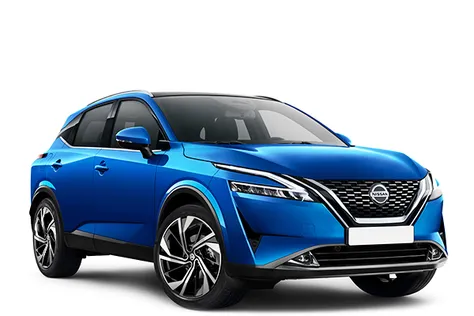
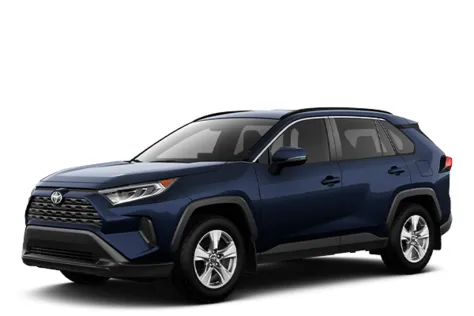
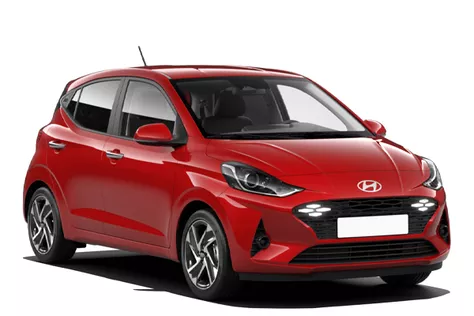
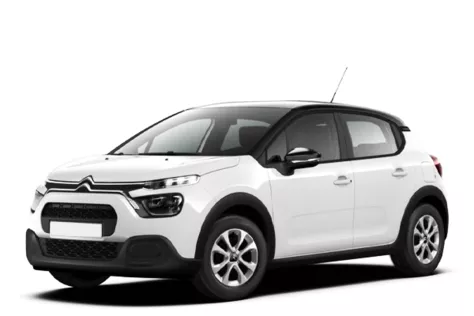
?
Minimum✓ Coverage for collision damage caused to other vehicles (TPL)✗ Collision damage coverage✗ Glass and tire damage coverage?
CDW✓ Limited collision coverage (CDW)✓ Coverage for collision damage caused to other vehicles (TPL)✗ Glass and tire damage coverage?
SuperCDW✓ Full coverage with limited driver liability (SuperCDW)✓ Coverage for collision damage caused to other vehicles (TPL)
Santiago de Compostela is compact, and the cathedral and old town are pedestrian, so you do not need a car for the city itself. The value of car rental in Santiago de Compostela is reaching the Galician coast and the inland villages on your own schedule - the Rias Baixas, the Costa da Morte and the Atlantic islands are all day trips you cannot do well on the train.
Payment and deposit
When you book you pay only a small upfront amount - usually 15-20% of the hire cost. The rest is settled at the desk on pickup. The deposit in most cases is fully refundable, and about a third of cars in Spain are handed over with no deposit at all - those are marked in the results. If you only have a debit card, pick a no-deposit rate or a cash-deposit option: nothing gets frozen on your card.
Where you can drive from Santiago
The AP-9 motorway runs north and south from the city, which makes most of Galicia a short hop. The driving distance from Santiago de Compostela to the Rias Baixas is about 54 miles and takes roughly an hour. Finisterre and the Costa da Morte lighthouses are around 90 minutes west on slower coast roads. The Cies Islands are reached by boat from Vigo, so you drive to the port and leave the car there.
Two neighbouring cities are within reach and have their own pages. Driving from Santiago de Compostela to Vigo takes about 58 minutes, and A Coruna is around 45 minutes north. Read those pages before you set off - both are.
The point for Santiago is that one pickup reaches all of them and you are back the same evening. That is why many visitors rent here even when they base themselves in the city.
Santiago's low-emission zone (ZBE)
This is the one local rule to understand, though it changes little for visitors. The Galician capital has set its low-emission zone to coincide with the pedestrian area of the old town, so there is hardly any change for drivers compared with the current rules. You would not be driving into those streets anyway - they are already closed to traffic and controlled by bollards.
For a hire car this rarely matters. Cars rented in Santiago are modern and carry a DGT environmental sticker (0, ECO, C or B), which is what these zones require, so a rental can drive freely around the city. The typical fine is 200 euros and the focus is on vehicles without an environmental badge, not on your hire car. Park in one of the car parks on the edge of the old town and walk in.
Quick checks at pickup
Confirm a rate with full cover if you want to avoid a deposit hold.
Check the windscreen for the DGT sticker and photograph it.
Photograph any existing scratches before you drive off.
Where to pick up in Santiago
Most car hire in Santiago de Compostela starts at the airport 12 km east of the city, where the desks and the cheapest rates are. For terminal desks and the arrivals walk-through, see the Santiago de Compostela Airport car hire page. To collect in town instead, names operating here include Europcar, Centauro and OK Mobility. Either way, an no-deposit rate with full cover built in avoids a deposit hold.
Best time to rent in Santiago
Galicia is wetter than the rest of Spain, so the season matters more here. Late spring (May, June) and early autumn (September) are the driest, warmest stretch and the easiest for the coast drives. July and August are the peak: prices climb, automatics and 7-seaters go first, and the Camino brings crowds, so book several weeks ahead. Winter is cheapest and a car still earns its keep for the inland trips, but pack for rain and shorter days.
Santiago de Compostela car hire FAQ
Can I drive my hire car into central Santiago de Compostela?+
The low-emission zone covers the pedestrian old town, which is already closed to traffic, so it changes little for visitors. Cars rented in Spain carry the DGT sticker the zone requires, so a hire car can drive around the city freely.
Park on the edge of the old town and walk in. The fines only apply to older, non-compliant vehicles.
How long does it take to drive to Vigo or A Coruna?+
Vigo is about 58 minutes south on the AP-9 motorway, and A Coruna around 45 minutes north on the same road.
Both make easy day trips from Santiago and have their own pages worth reading first.
Do you need a credit card to hire a car in Santiago de Compostela?+
A credit card is not always required - it is needed to hold the security deposit. At pickup the supplier freezes the deposit amount on the card: the money is not charged and is released when you return the car undamaged.
Without a credit card you still have options: choose a cash-payment rate (the «Cash» filter option) or a no-deposit rate, and nothing is held.
What is the deposit when you hire a car?+
The deposit is an amount the rental company holds as a guarantee for the car. Road fines or damage can be deducted from it.
If the car comes back without problems, the deposit is released in full. It is a temporary hold on your card, not a charge.
How large is the deposit at pickup?+
It depends on the car class and the supplier - you can see the exact amount on each car's card.
You can set a maximum deposit in the filter and the catalogue shows only matching offers. The lower you set it, the fewer cars remain.
Can you hire a car with no deposit?+
Yes. To see cars with no deposit, use the «No deposit» filter option. There are also cars with a small deposit or cash payment.
Note that "no deposit" means no hold at pickup, not no booking payment - a small upfront amount is still taken when you book. If nothing suits, contact our support team.
What is the difference between the deposit and the excess?+
The deposit is the amount frozen on your card at pickup and released when you return the car undamaged.
The excess is the part of any damage you pay yourself even with insurance - anything above it is covered by the insurer.
In practice, damage is taken from the deposit up to the excess, so the deposit is often set to match it. A full, zero-excess policy removes both: you do not pay for damage and the hold is usually waived.
What does the insurance cover?+
Cover comes in levels:
TPL (third-party liability) - compulsory and always included; covers damage you cause to others.
CDW (Collision Damage Waiver) - covers damage to the hire car itself, except glass and tyres.
Super CDW - reduces or removes the excess and covers what CDW does not, including glass and wheels; with it the car is usually given with no deposit.
You see the available rates on each car's card when booking.
What is the difference between minimum, basic and full cover?+
Minimum cover - only damage to other cars; you pay for your own car's bodywork, glass and wheels.
Basic (CDW) - adds partial cover for your car in an accident, but not glass or tyres.
Full cover (Super CDW) - covers all damage, including glass and wheels, and nothing is taken from the deposit.
If you would rather not depend on the deposit and excess, choose the full rate.
Can you pay for the rental in cash?+
Yes, some cars can be paid in cash - use the «Cash» filter option.
You pay a small upfront amount by debit or credit card when booking (usually 15-20% of the total), and the rest in cash at pickup.
Can you pay with cryptocurrency?+
Yes, paying for the car with cryptocurrency is possible - contact our support team to arrange it.
Can I drive from Santiago de Compostela to Portugal or elsewhere in the EU?+
The Portuguese border is roughly two hours south on the AP-9, with Porto about an hour beyond it. Cross-border trips must be agreed with the supplier in advance - there may be a small service fee and extra insurance.
To see cars allowed across the border, use the filter option or contact our support team. Do not cross the border undeclared.
Can you return the car in a different city?+
Yes. In the search, set a pick-up and a drop-off point - for example collect in Santiago de Compostela and return in A Coruna or Vigo.
By default the car is returned to the same place you collected it.
Are hire cars in Santiago de Compostela automatic or manual?+
Most are manual, as across Spain. Automatics cost more and sell out first, especially in summer, so book one early if you need it - it makes the narrow coast roads out to Finisterre easier.
What documents do you need to hire a car?+
You need a passport, a driving licence and the rental voucher - the voucher can be shown on your phone or tablet.
It states the final price with your chosen options and insurance, so the amount due at the desk will not change.
What is the minimum driving experience?+
To hire through our rental companies you need at least 2 years of driving experience.