
在西班牙如何开车
西班牙的交通标志和路面标线遵循《维也纳道路交通标志公约》,所以欧洲司机不用特意学习就能看懂。
大部分高速路是免费的。收费的只有编号里带 AP 字母的少数高速公路,而且几乎总能绕开走免费的路。
在西班牙,限速和距离都以公里为单位。车辆靠右行驶。
在 autopista(高速公路)和 autovía(快速路)上,小客车最高时速120公里。这是全国上限,任何路段都不允许更快。
其余的城际道路限速时速90公里。西班牙把它们归为 carreteras convencionales(普通公路),既包括带 N 字母的国道,也包括区级和地方道路。
在城镇里,限速取决于车道数量。单向两条及以上车道的路段为时速50公里;只有一条车道的路段为时速30公里;机动车道与人行道处于同一平面的「单一平台」街道为时速20公里。路段上如果立有限速标志,则以标志上的数字为准。
高速路上的测速摄像头不多,反而会出现在意想不到的地方——空旷的田野里、山区中。
西班牙不隐瞒测速点的位置。Google 地图会标出摄像头和测速点。固定摄像头也由 DGT(西班牙交通局)在 infocar DGT 地图上公布。在加泰罗尼亚和巴斯克地区,摄像头由地方部门管理,infocar 地图上并不全。
西班牙交通规则要点
靠右行驶
超车走左侧车道,进环岛时让已在环岛内行驶的车辆先行,高速路上尽量靠右。
限速
高速公路时速120公里,普通公路90公里,城市50公里,狭窄街道30公里。进城时限速骤降。
酒后驾驶
血液酒精上限0.5克/升,驾龄不满两年的司机为0.3。最省心的做法是开车完全不喝酒。
必备装备
车内随手可及处要有反光背心和 V16 信标灯。租来的车上这两样应该都已配齐——取车时确认一下。
雷达探测器被禁止,GPS 提示不禁。能接收警用测速雷达信号的设备在西班牙属违法——罚款500欧元,设备还会被没收。而显示固定摄像头位置的导航仪或 App 可以使用。反正 DGT 本来就公开摄像头位置,Google 地图里也有同样的提示。
非欧盟驾照——中国大陆驾照需要官方宣誓翻译件。欧盟或欧洲经济区签发的驾照,凭本身即可使用。若在这些地区之外签发,就要看具体国家:有的需要国际驾照(IDP),有的需要宣誓翻译件。中国大陆不是西班牙认可的道路交通公约成员国,因此中国的「国际驾照」在西班牙不被承认——你需要带上中国驾照原件,并附一份官方宣誓翻译件(traducción jurada)。开车时随身携带驾照和护照,取车柜台会查验,路上也可能被抽查。你的驾照具体需要哪些材料,请看驾驶人要求指南。
超越自行车——至少留出1.5米。超越骑自行车的人时,侧向至少留出1.5米。为此可以压过实线,甚至在对向车道空闲时借道行驶。在单车道的窄路上,这往往意味着减速跟在自行车后面等待——本该如此。
2026年新规:用 V16 信标灯取代三角警示牌
从2026年1月1日起,西班牙牌照的车辆必须用 V16 信标灯取代旧的三角警示牌——这是一盏黄色小灯,不用下车就能放到车顶。信标灯会把坐标发送到 DGT(交通局)的系统。该规定同样适用于所有挂西班牙牌照的租赁车。
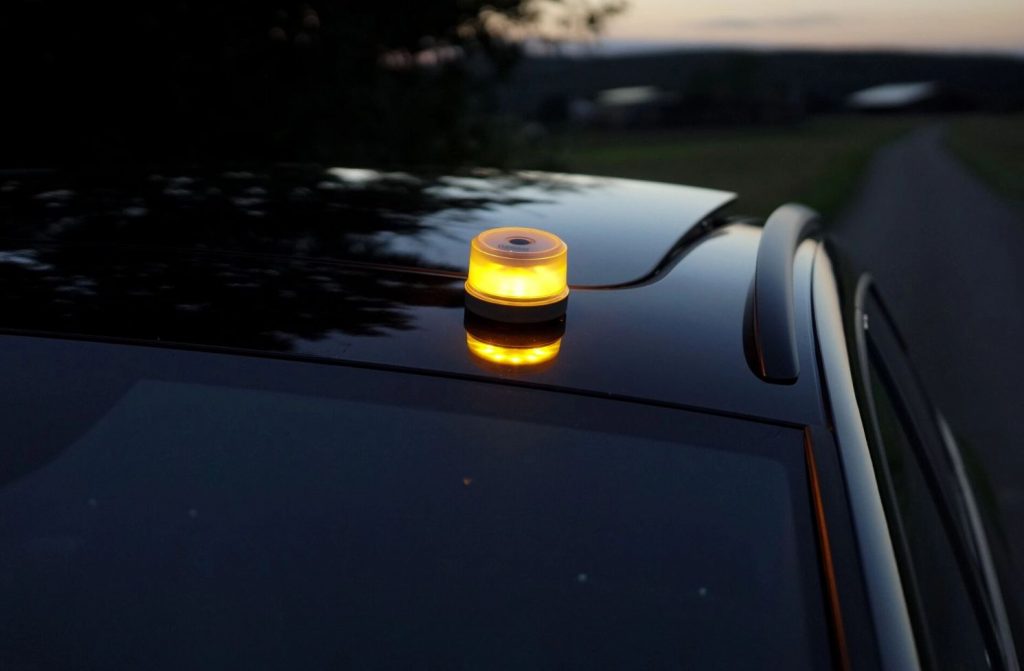
V16 信标灯(baliza V16)——放在车顶的黄色磁吸灯。
发生事故时,信标灯缺失或未放置由司机负责,而非租车公司。所以取车时请确认 V16 信标灯在车上。挂外国牌照的游客可以继续用三角牌,但这不适用于在西班牙租的车。
之所以推行信标灯,是因为过去司机不得不下车,把三角警示牌放到足够远的地方。这带来了额外风险,而闪光信标灯正好消除了这种风险。因为按照相关要求,信标灯必须能提供最远一公里的可见距离,即使在雾、雨或黑暗等能见度差的条件下也要清晰可见。
车内每个人都要系安全带——司机和后排乘客都一样。不系安全带每人罚款200欧元,逐人计罚。身高不足135厘米的儿童只能坐在与身高相符的儿童座椅或增高垫上。扣分只针对欧盟驾照——持其他驾照的游客只剩一笔罚款。详情见 DGT 官网。
开车时完全不能手持手机。这是200欧元罚款外加扣6分(针对欧盟驾照),即使你停在红灯前或堵在车流中也照罚。为了改路线而碰了一下支架上的手机屏幕——同样处理。只能用免提和语音指令,不碰屏幕。
DGT 环保标签与 ZBE 区域
西班牙城市里有一些限制驶入的区域,叫 ZBE,西班牙语全称 zona de bajas emisiones,即低排放区。能否驶入取决于车辆的环保等级,而等级又取决于燃料类型和车辆的首次注册日期。
等级由 DGT(Dirección General de Tráfico,西班牙交通局)评定,用贴在挡风玻璃上的彩色标签表示,西班牙语叫 distintivo ambiental。
标签只表示排放水平。凭它通行不需要付费——收费高速路上设的是道闸和收费站,与环保等级毫无关系。
四个等级
| 标签 | 颜色 | 适用车型 |
|---|---|---|
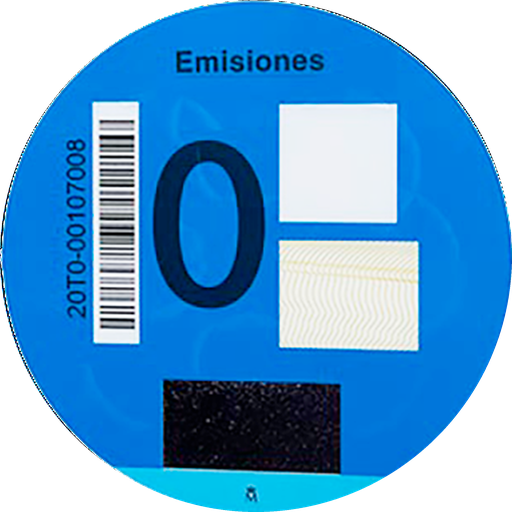 0 0 |
蓝色 | 电动汽车、氢燃料汽车,以及纯电续航40公里以上的插电式混合动力车 |
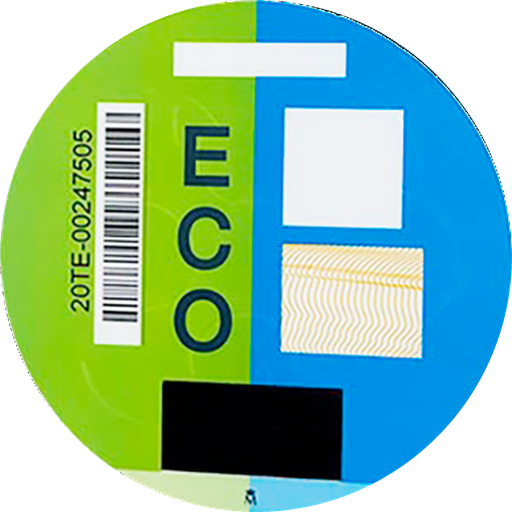 ECO ECO |
蓝绿色 | 纯电续航不足40公里的混动车,以及使用 GLP、GNC 燃气的汽车 |
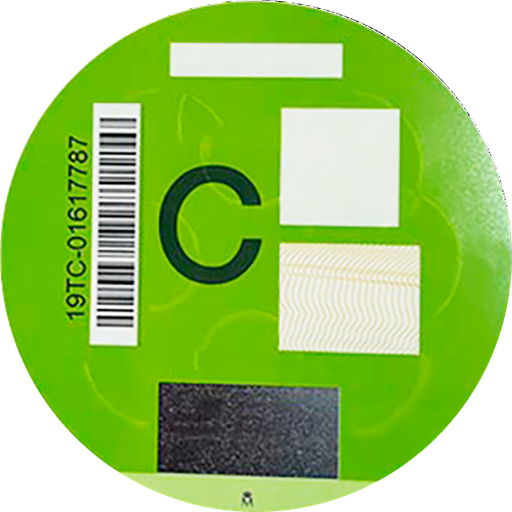 C C |
绿色 | 2006年1月起注册的汽油车,以及2015年9月起注册的柴油车 |
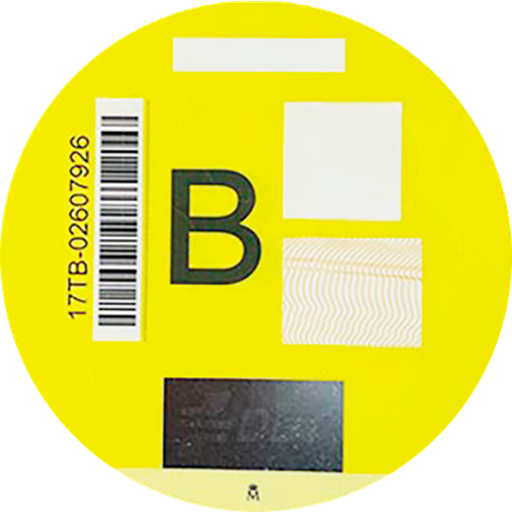 B B |
黄色 | 2001年1月1日起的汽油车,以及2006年起的柴油车 |
GLP 和 GNC 是两种燃气的西班牙语缩写。GLP 是丙烷丁烷混合气,多数国家写作 LPG 或 autogas;GNC 是甲烷,在西班牙以外叫 CNG。这两个缩写你会在车辆描述里和加气机上看到。
排放越低,等级越高,通行也越自由。0 类和 ECO 类几乎哪里都能进,C 类和 B 类在个别区域有各自的条件。
没有标签的车
2001年之前的汽油车和2006年之前的柴油车根本拿不到标签。多数城市的 ZBE 禁入令只针对这类车。
租车车队里没有这样的车,所以这个限制与你无关。租来的车至少是 C 类,混动车是 ECO 类。
如何核查等级
标签贴在挡风玻璃的右下角。但核查的不是标签本身——进区时摄像头拍下车牌,再与 DGT 数据库比对。任何西班牙车牌的等级也可以自己查,在 DGT 官网上。
挂外国牌照的车不发西班牙标签,也用不着。这不适用于租赁车,它挂的是西班牙牌照。
马德里的规定更严
在马德里整体 ZBE 之内,还有两个特别保护区:Distrito Centro 和 Plaza Elíptica。西班牙语叫 ZBEDEP,zona de bajas emisiones de especial protección(特别保护低排放区)。
那里的驶入条件另有规定,光有 C 类标签有时并不够。
加油站与充电站
在西班牙,加油机上汽油标为 gasolina,柴油标为 diésel 或 gasóleo A。加油站分两种,价格差别明显。
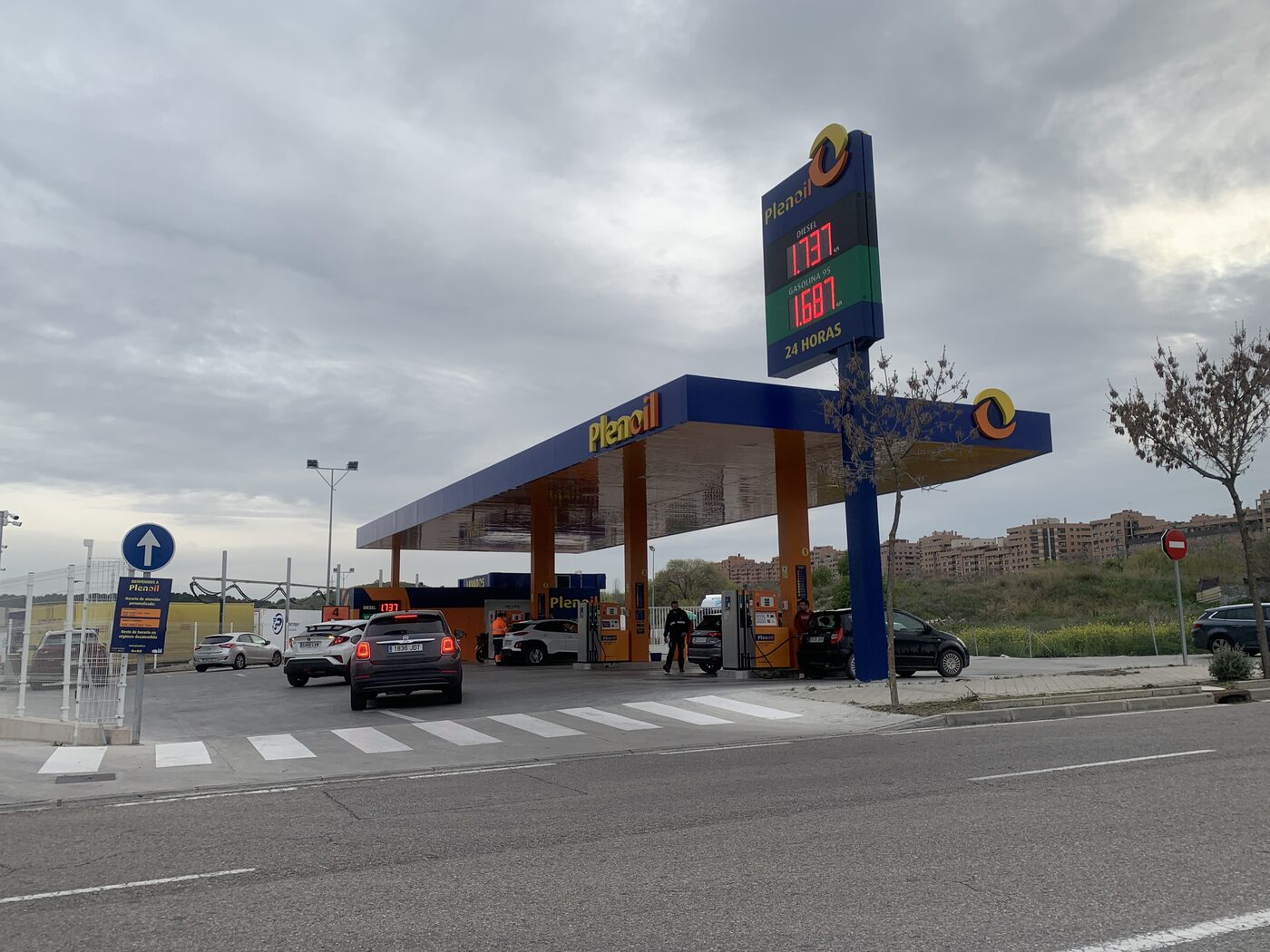
自助加油站:自己加油,在加油机旁的终端付款。图片:Natalia Corcobado Pinilla / Wikimedia Commons, CC BY-SA 4.0
自助加油站(autoservicio)没有工作人员——你自己加油,用银行卡在加油机旁的终端付款。这里每升便宜5到15欧分,很多是24小时营业。规模较大的自助连锁有 Plenoil、Ballenoil、Petroprix。
带收银台的连锁加油站——Repsol、Cepsa、BP、Galp——略贵一些。但里面有便利店和小咖啡馆:咖啡、面包、洗手间。燃料本身质量相同,都按统一的欧洲标准检测——多付的是服务费,而不是买到更好的油。
公路沿线的大型加油站常设有休息区,还有单独的建筑,里面是较大的咖啡馆或餐厅——那里供应的是热菜,不只是货架上的面包。
该加哪种燃料
自2018年起,欧盟所有加油机上的标识统一:汽油在圆圈里,柴油在方框里。你在西班牙会看到:
- Gasolina 95 E5 和 Gasolina 98——汽油。数字是辛烷值,98 动力更强也更贵;E5 表示乙醇含量最多5%。租来的汽油车加95即可,除非合同另有说明。
- Gasóleo A(标识 B7)——供小客车用的普通柴油,含最多7%生物柴油。
- Gasóleo B——供拖拉机和船只用的红色农用柴油。它更便宜,但禁止加进普通车:罚款600到12,000欧元,车还可能被扣。供小客车的加油站一般也没有这种油。
- 高级油(Repsol Efitec、Cepsa Óptima、BP Ultimate)——同样是加了添加剂的95或98,更贵。租来的车用不着。
同样的标识——95、E5 或 B7——在油箱盖上或加油口旁也有。第一次加油前先看一眼,别把汽油和柴油弄混:加错油是一个代价高昂的错误。
查油价的 App
西班牙所有加油站的油价由国家汇总——每家都必须上报到统一数据库,所以 App 里的价格是真实的,不是广告价。
- Geoportal Gasolineras——国家官方网站,配套 App 是 Ruta-E(iOS 和 Android):地图、按燃料筛选、实时油价,还顺带显示充电点。
- Gasofa——基于同一数据的免费 App,方便沿路线找便宜的加油站。
- Waze——导航 App,会直接在地图上按价格用颜色标出加油站。
电动车充电
租了电动车,就提前按充电桩规划路线。南部和城市里充电桩很多,但小城市之间的网点还不如普通加油站密。充电桩按功率分档,功率决定时间:
- 慢充,交流电(AC),3.7-22 千瓦——设在街边、酒店和超市。充满需要几个小时,适合长时间停放。
- 快充,直流电(DC),50 千瓦——设在加油站和路边。充到80%约需40到60分钟。
- 超快充(DC),150-350 千瓦——设在公路上供长途使用。充到80%需15到30分钟,前提是车辆能承受这么高的功率。
怎么选:长途走公路上的超快充;夜里停在酒店或逛超市时用慢充。实际速度受限于车辆本身能接受的功率:很多车最多只接受50到150千瓦,功率更高的充电桩也无法把它们充得更快。
充电点和价格用聚合类 App 看更方便:Electromaps 和官方的 Ruta-E 能一次看到所有网络的充电桩。大网络也有各自的 App:Iberdrola(最大的网络)、Endesa X Way、Zunder、Wenea 和 Ionity(公路上的超快充)。充电通常从网络 App 里启动,付款也在里面完成。
在超市充电
去买东西的同时也能充电。Mercadona 约有5000个充电点:有的是3.7千瓦免费充60分钟,有的是22千瓦收费、每千瓦时0.25欧元——通过 Iberdrola 或 Repsol Waylet App 付款。Consum 有800多个充电桩,功率从22到150千瓦,通过 Eranovum App 启动。
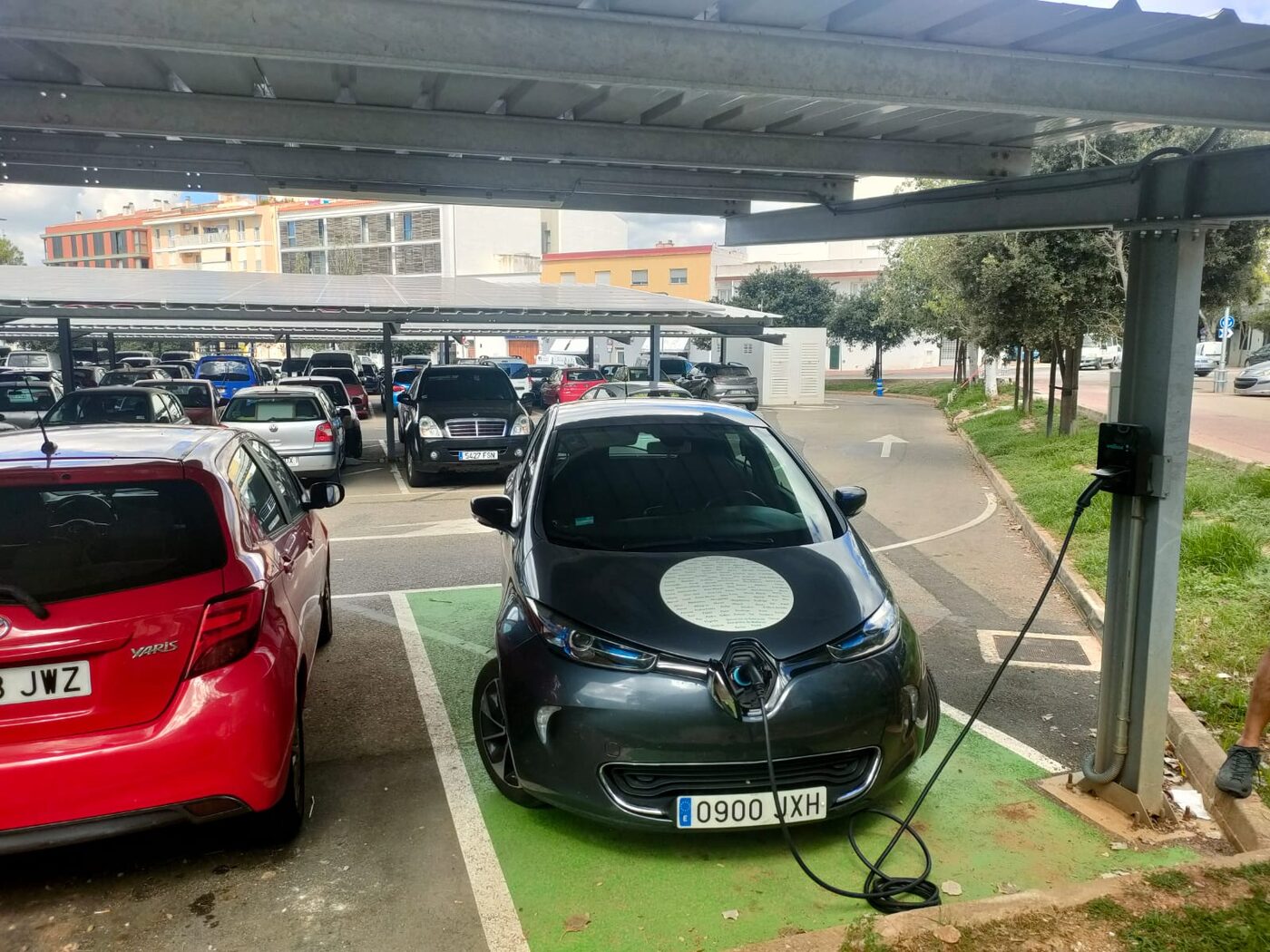
在带光伏遮阳棚的停车场充电。图片:Chixoy / Wikimedia Commons, CC BY-SA 4.0
公路上的休息区
在高速公路和快速路上,大约每两小时车程就有一处可以驶入停靠的场地。
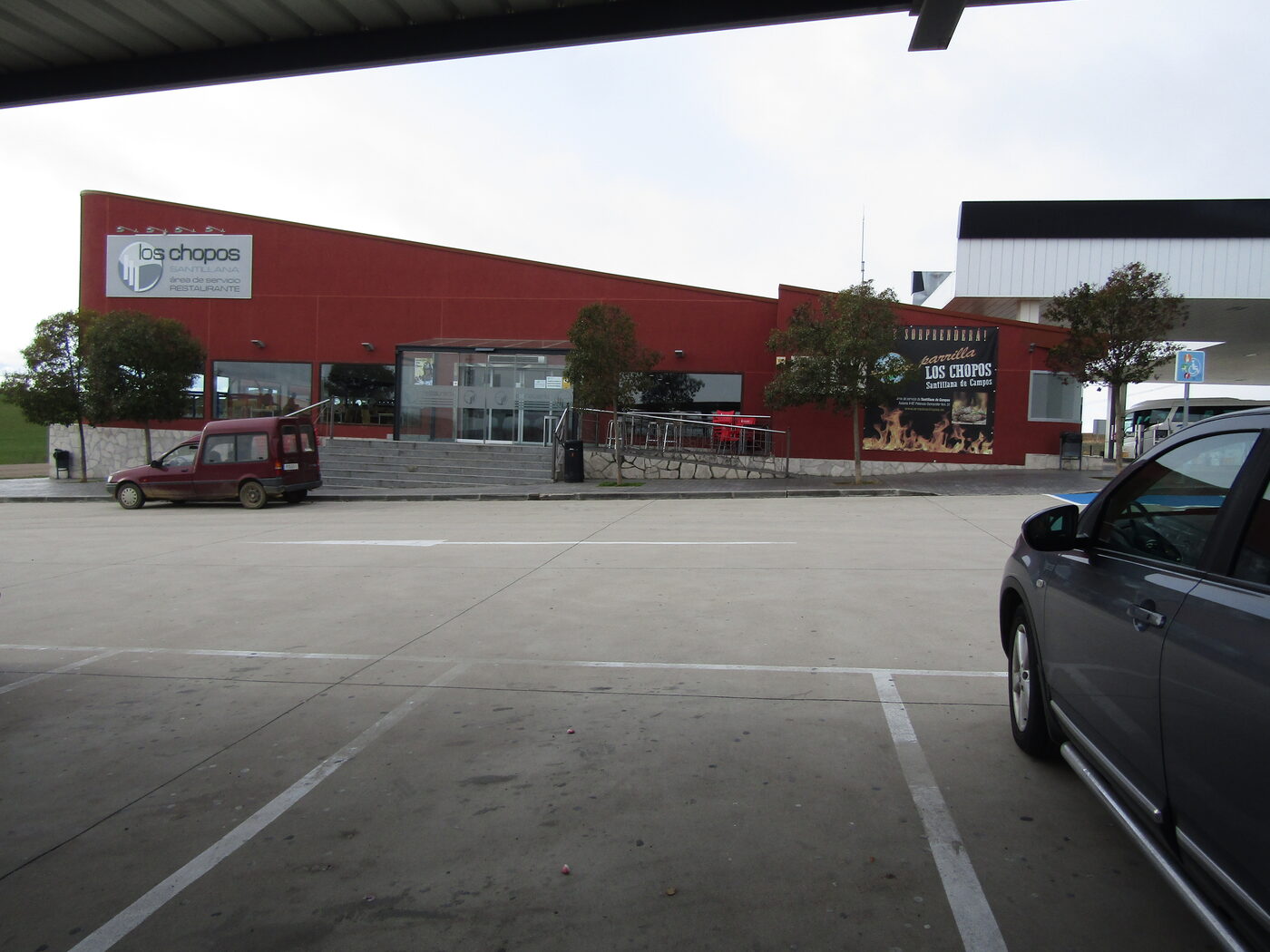
Área de servicio——设有餐厅、便利店和大停车场。图片:Kolforn / Wikimedia Commons, CC BY-SA 4.0
场地分两种。Área de servicio 设有加油站、便利店、咖啡馆或餐厅、洗手间和大停车场;人们在这里加油和吃饭。Área de descanso 更简单——只有停车场、桌椅和洗手间,没有加油和餐饮。
最近的一处场地有什么,蓝色标志会提示,上面是叉子、床或加油枪图案。不能随便停在高速路的路肩上休息——路肩只供紧急停车。开车累了,就撑到最近的场地停下来。
在西班牙停车
路边停车用颜色划线,路面上线的颜色比标志更重要。
- 白线,或根本没有划线——免费停车,不限时。
- 蓝线——收费区。在人行道上的 parquímetro(停车计时收费机)付款,取出的票据字面朝上放在挡风玻璃下。
- 绿线——供本街区居民停车的位置。在一部分城市,外来者可以按较高的费率停一两个小时,在另一部分则完全不行。
- 黄线——禁止停车,车会被拖走。
历史城区里几乎没有空的白线车位——做好停地下车库的打算。它用蓝色字母 P 标示,出场时按实际停车时间付款。
停车 App
在蓝色区域可以不用找投币机——用手机付款,若超时了,直接在 App 里续时。全国通用的有 easyPark 和 Telpark。空闲和收费的车位(包括地下车库)由 Parkopedia 和普通的 Google 地图显示。马德里和巴塞罗那有各自的城市 App,但对游客来说装一个通用的更省事。
超市的停车场
Mercadona、Consum、Carrefour 和 Lidl 连锁都有自家的停车场,而且免费。每家门店的条件各不相同。有的可以随便停多久、不买东西也行;有的免费出场与购物小票挂钩——有时任意小票都行,有时需要满10欧元的消费。规则写在入口处的牌子上,进场就看一眼。
如果入口处道闸出了一张票,请保存好。结账时会要这张票,用来标记免费出场。没有标记,出口的道闸不会打开。
罚款
罚款找上游客有两条路径——当场在路上,或者稍后通过租车公司。
住在西班牙的人不当场缴罚款——他们会收到通知,可以稍后再交,前20天内金额减半。对游客更严格:如果你在路上被拦下,而在西班牙又没有地址,交警有权要求当场缴款或交保证金。不缴款、也不交保证金——车可能被扣到缴清为止。
摄像头拍下的罚单或未缴的收费路费,会稍后才来——而且不是找你,是找租车公司。租车公司会从你的卡上划走罚款金额,再加上自己的处理手续费(通常1%到10%)。如果租车时没用信用卡、也没交押金,租车公司会把你的信息转给交通局,罚单就寄到你的居住地址。
进城镇时注意车速。限速会从时速90或100公里降到50公里,在单向单车道的街道上则降到30公里。
取车时的检查清单
- V16 信标灯——已联网、经认证、就在车上。
- 反光背心——在车厢里,不在后备箱。
- DGT 环保标签——贴在挡风玻璃上,供低排放区使用。
- 燃料类型——第一次加油前,问清是汽油还是柴油。
- 可见的损伤——拍照,并确认全部已写进合同。